
Exploring Socio-Cultural Theory in Technical Communication
What is the Socio-Cultural Theory?
Socio-cultural theory is an approach that emphasises the impact of social, cultural, and contextual factors on technical communication. In a globalised and diverse workplace, understanding how culture and society shape communication is essential for creating accessible and effective technical content.
About the Theory
Socio-cultural theory, rooted in the work of Soviet psychologist Lev Vygotsky, (1978) emphasises the role of social interaction and cultural context in shaping human cognition and communication. Vygotsky’s ideas, such as the Zone of Proximal Development (ZPD) and the mediating role of tools like language, laid the foundation for understanding how knowledge is shared and developed within communities. In technical communication, this theory shifted the focus from neutral, universal approaches to emphasising the influence of social, cultural, and historical contexts on communication practices. Key contributions include the recognition of discourse communities, the importance of cultural adaptation and localisation, and the adoption of user-centered, collaborative approaches. By integrating socio-cultural perspectives, technical communicators create inclusive and contextually relevant materials for diverse, global audiences.
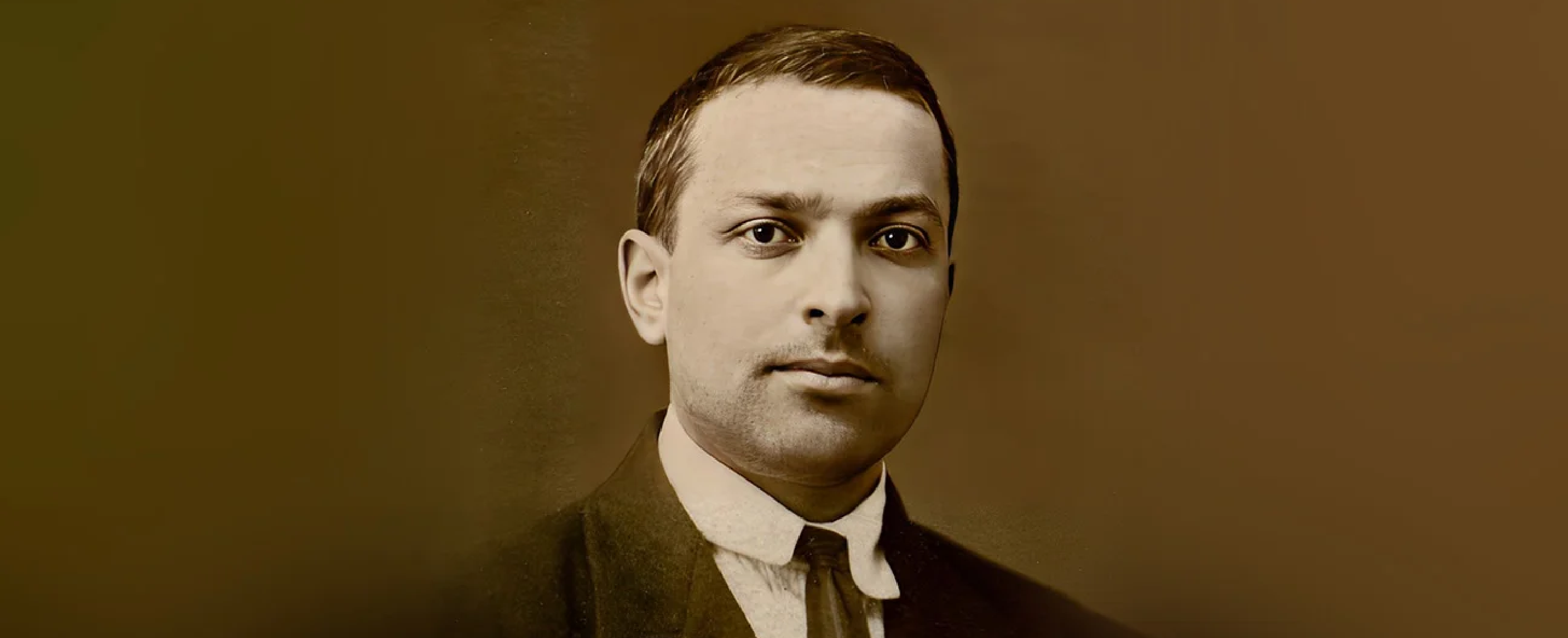
Meet the Scholar: Lev Vygotsky
Biography
Lev Vygotsky was an early 20th century developmental psychologist who developed a sociocultural theory of child development designed to account for the influence of culture on a child's growth and development.
Lev Vygotsky was born into an art- and literature-loving family in what is now Belarus on November 17, 1896, and he was raised in Gomel. Vygotsky began studying at the University of Moscow in 1913, though his course options were severely restricted because he was Jewish. Vygotsky elected to study law, and he graduated in 1917.
Back in Gomel, Vygotsky taught logic and psychology at a local college. In 1924, he wowed the Second All-Union Congress on Psychoneurology with his speech, and he was subsequently invited to join the Moscow Institute of Experimental Psychology. At the institute, Vygostsky served as a teacher and researcher for nine years. Vygotsky was an innovative psychologist who made significant advancements in the field of child development. Vygotsky’s short career focused on child development, developmental psychology, and educational philosophy.
Major Works from Lev Vygotsky
Thought and Language (1934)Explores the relationship between thought processes and language development.
Mind in Society: The Development of Higher Psychological Processes (1978)Posthumously published, this work introduces key concepts like the Zone of Proximal Development (ZPD) and the role of social interaction in learning.
The Psychology of Art (1925)Analyzes art as a cultural tool that influences human emotion and thought.
Educational Psychology (1926)Focuses on the application of psychological principles in educational settings.
Famous Quotes from Lev Vygotsky
“A mind cannot be independent of culture”
“By giving our students practice in talking with others, we give them frames for thinking on their own.”
“A word devoid of thought is a dead thing, and a thought unembodied in words remains a shadow.”
Key Concepts of Sociocultural Theory
Discourse Communities
Technical communication works best when it speaks the language of its audience. The idea of discourse communities highlights how each group has its own norms, language, and practices. Scholars like John Swales have shown how understanding these helps create content that truly connects.
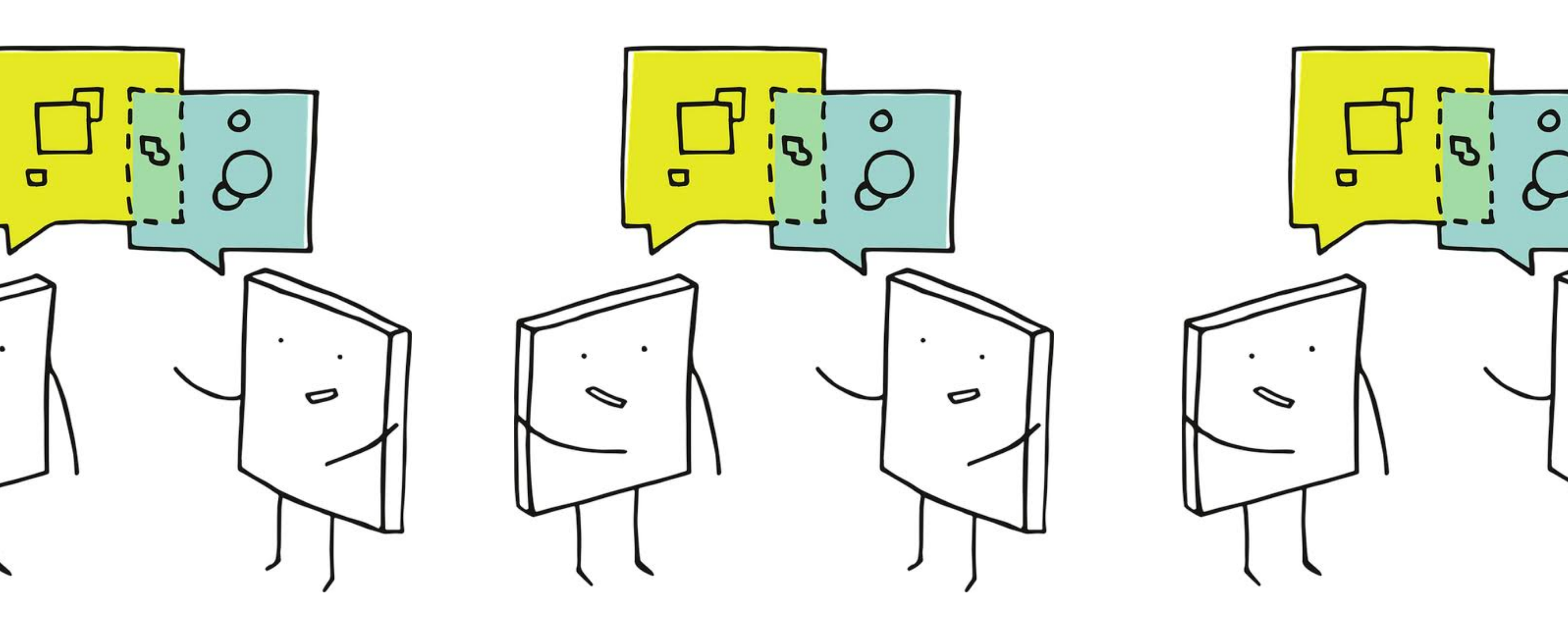
Cultural Adaptation and Localisation
Making content work for diverse audiences is key. Cultural adaptation ensures that technical communication respects cultural differences, while localisation tailors materials to specific regions or languages. This approach is essential in fields like healthcare, software, and global business.

Collaboration and User-Centered Design
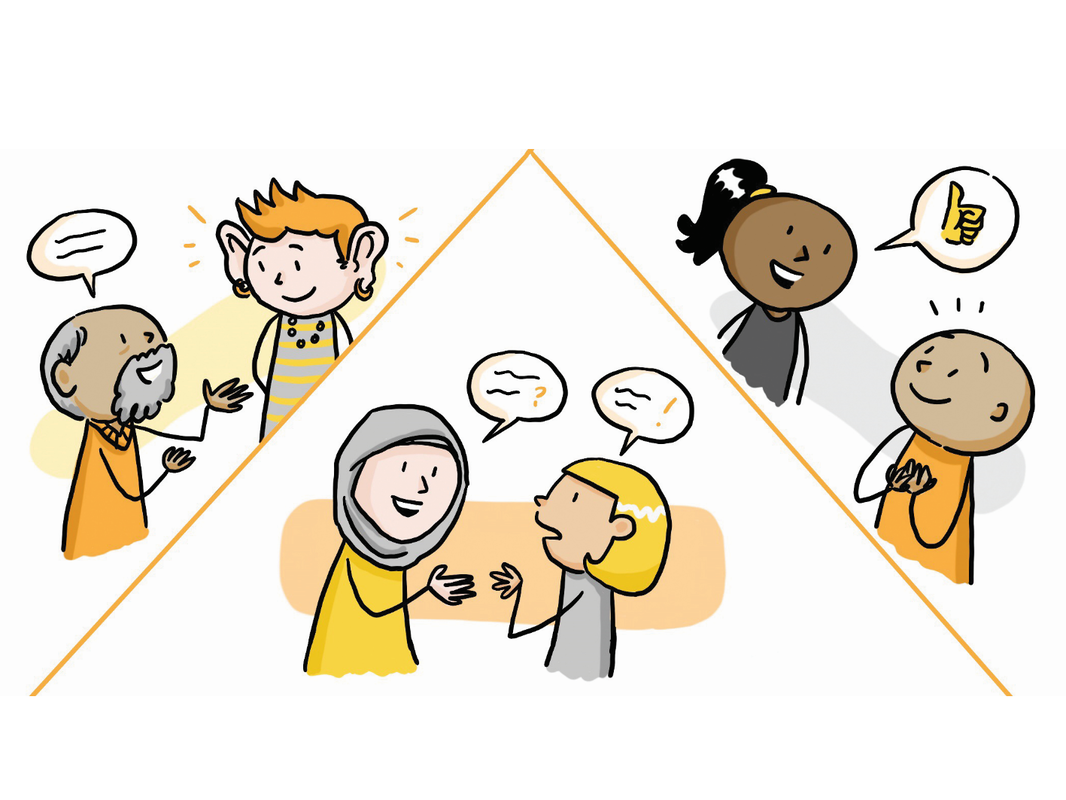
Socio-cultural theory emphasizes teamwork and involving the end-users in the process. When users help shape the content, it becomes more practical and aligned with their needs, making it both effective and relatable.

Rhetorical Sensitivity
Beyond just delivering information, socio-cultural theory reminds us to consider the audience's perspective, cultural power dynamics, and ethical concerns. This approach helps create communication that is not only functional but also thoughtful and inclusive.
Real World Applications
Designing Multilingual User Interfaces
Socio-cultural theory guides the development of multilingual interfaces that cater to diverse audiences. For instance, e-commerce platforms like Amazon localise content by adapting language, currency, and cultural preferences, ensuring accessibility and usability for global users.


Creating Inclusive Health Communication
Healthcare providers use socio-cultural principles to design materials that resonate with specific cultural groups. For example, the CDC campaigns on public health include visuals and language tailored to diverse ethnic communities, improving message effectiveness.

Localising Software Documentation
Technical communicators apply socio-cultural theory when translating and adapting software guides for international users. Companies like Microsoft localise their help documentation, incorporating cultural idioms and region-specific examples to enhance user comprehension.
Applying Socio-Cultural Theory in Professional Environments
- Understand Your Audience: Research cultural norms, language preferences, and values of your target audience.
- Collaborate Actively: Involve diverse stakeholders in the content creation process for inclusive perspectives.
- Adapt and Localise: Tailor communication to fit specific cultural contexts, avoiding one-size-fits-all solutions.
- Be Rhetorically Sensitive: Consider audience power dynamics, ethical implications, and accessibility needs.
Tools for Cultural Research
- Surveys: Gather direct input from your target audience about preferences and challenges.
- User Personas: Develop profiles based on cultural, social, and demographic insights to guide design decisions.
- Focus Groups: Engage with small groups to discuss cultural nuances and test ideas.
References
Cherry, K. (2024, July 12). Sociocultural theory: Understanding Vygotsky's theory. Verywell Mind. Retrieved from https://www.verywellmind.com/what-is-sociocultural-theory-2795088
EdTech Books. (n.d.). Socioculturalism. In Student guide to learning theories. Retrieved from https://edtechbooks.org/studentguide/socioculturalism
GoodTherapy. (n.d.). *Lev Vygotsky (1896-1934)*. Retrieved December 9, 2024, from https://www.goodtherapy.org/famous-psychologists/lev-vygotsky.html
Main, P. (2023, March 6). Sociocultural theory. Structural Learning. Retrieved from https://www.structural-learning.com/post/sociocultural-theory
Vygotsky, L. S. (1962). Thought and language (E. Hanfmann & G. Vakar, Eds. & Trans.). MIT Press. (Original work published 1934) (archive.org)
Vygotsky, L. S. (1971). The psychology of art (Scripta Technica, Trans.). MIT Press. (Original work published 1925)
Vygotsky, L. S. (1978). Mind in society: The development of higher psychological processes (M. Cole, V. John-Steiner, S. Scribner, & E. Souberman, Eds.). Harvard University Press. (hup.harvard.edu)
Vygotsky, L. S. (1997). Educational psychology (R. Silverman, Trans.). CRC Press. (Original work published 1926)
Wikipedia contributors. (2024, December 6). Carolyn Miller. In Wikipedia, The Free Encyclopedia. Retrieved from https://en.wikipedia.org/wiki/Carolyn_Miller
Wikipedia contributors. (2024, December 6). Lev Vygotsky. In Wikipedia, The Free Encyclopedia. Retrieved from https://en.wikipedia.org/wiki/Lev_Vygotsky